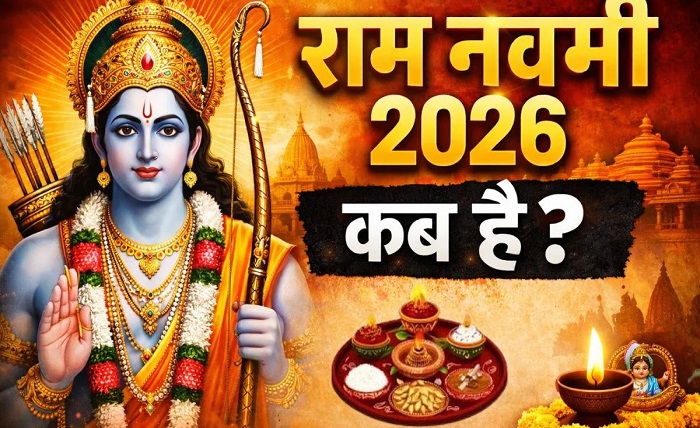
If you are searching for navmi kab ki hai, you are likely looking for the exact date of Navami and its religious importance. The term “Navmi” or “Navami” refers to the ninth day (Tithi) of the Hindu lunar calendar. Several Navami festivals occur throughout the year, including Ram Navami, Chaitra Navami, Maha Navami during Sharadiya Navratri, and Akshaya Navami. Therefore, the answer to navmi kab ki hai depends on which Navami you are referring to. Hindu devotees observe these sacred days with fasting, prayers, chanting, and temple visits.
The question navmi kab ki hai becomes especially popular during the Navratri season because Maha Navami is one of the most significant days dedicated to Goddess Durga. Likewise, during the month of Chaitra, people ask navmi kab ki hai to celebrate the birth anniversary of Lord Rama, known as Ram Navami. Understanding the Hindu Panchang helps determine the exact Navami date every year.
Why People Search for Navmi Kab Ki Hai
The keyword navmi kab ki hai is commonly searched because Hindu festivals follow the lunar calendar rather than the Gregorian calendar. This means Navami falls on different dates each year. Devotees want to know navmi kab ki hai so they can prepare for fasting, perform puja at the correct Muhurat, decorate temples, and participate in community celebrations.
Another reason navmi kab ki hai receives so many searches is that families often organize religious events around Navami. Many people invite priests for special rituals, arrange devotional singing, and prepare traditional offerings. Knowing navmi kab ki hai ensures every religious activity is performed according to Hindu traditions.
The question navmi kab ki hai is also important for students, travelers, and working professionals who wish to plan their schedules around religious holidays. Since many schools and offices recognize major Hindu festivals, checking navmi kab ki hai helps people organize their commitments effectively.
Religious Significance of Navmi Kab Ki Hai
The importance of navmi kab ki hai extends beyond simply knowing the calendar date. Navami symbolizes the victory of righteousness, devotion, courage, and divine blessings. Different Navami celebrations honor different deities, each carrying unique spiritual significance.
For devotees of Goddess Durga, navmi kab ki hai marks Maha Navami, when the Goddess is worshipped in her powerful form before Vijayadashami. It represents the destruction of evil forces and the triumph of divine energy.
For devotees of Lord Rama, navmi kab ki hai refers to Ram Navami, celebrating the birth of Lord Rama, the seventh incarnation of Lord Vishnu. This sacred day inspires followers to practice truth, righteousness, compassion, and duty.
The spiritual meaning behind navmi kab ki hai reminds believers that faith, discipline, and devotion ultimately overcome negativity. Observing Navami with sincerity is believed to bring prosperity, peace, happiness, and protection.
How Is Navmi Celebrated?
Knowing navmi kab ki hai allows devotees to celebrate the occasion with traditional rituals. Celebrations vary across India but share common devotional practices.
Many people begin navmi kab ki hai with an early morning bath followed by cleaning and decorating the home temple. Devotees offer flowers, fruits, sweets, incense, and lamps to their chosen deity.
Fasting is another important aspect associated with navmi kab ki hai. Some devotees observe a full-day fast while others consume fruits, milk, and special fasting foods. The fast is usually broken after completing the evening prayers.
Kanya Pujan is widely performed during Maha Navami. Families invite young girls, worship them as manifestations of Goddess Durga, wash their feet, offer food, gifts, and blessings. This tradition makes navmi kab ki hai especially meaningful for many Hindu households.
Temples become beautifully decorated during navmi kab ki hai, with devotional songs, bhajans, processions, and special religious programs attracting thousands of worshippers.
Puja Rituals and Fasting Rules on Navmi Kab Ki Hai
Understanding navmi kab ki hai also means knowing the proper rituals associated with the festival. Most devotees begin the day by taking a holy bath and wearing clean or traditional clothes before starting worship.
When observing navmi kab ki hai, devotees recite sacred texts such as the Durga Saptashati, Ramcharitmanas, Vishnu Sahasranama, or Hanuman Chalisa depending on the type of Navami being celebrated.
Many devotees donate food, clothes, and money during navmi kab ki hai because charity is considered highly auspicious. Feeding the poor, helping animals, and supporting temples are believed to multiply spiritual merit.
The fasting rules connected with navmi kab ki hai differ by region and family tradition. Some people observe a water-only fast, while others consume fruits, milk, nuts, and vrat-friendly dishes prepared without regular grains.
The evening aarti concludes the observance of navmi kab ki hai, followed by distributing prasad among family members and neighbors.
Benefits of Observing Navmi Kab Ki Hai
Many devotees believe that observing navmi kab ki hai with devotion brings numerous spiritual and personal benefits. Hindu scriptures emphasize that sincere worship strengthens faith and inner peace.
Celebrating navmi kab ki hai helps individuals cultivate discipline through fasting and prayer. These practices encourage self-control, gratitude, and mindfulness in daily life.
Families often come together during navmi kab ki hai, strengthening relationships through shared rituals, meals, and devotional activities. This creates lasting memories while preserving cultural traditions.
According to Hindu beliefs, worship performed during navmi kab ki hai can remove obstacles, bring prosperity, improve health, and invite divine blessings into one’s home. Many devotees also pray for success in education, career, marriage, and family life.
The observance of navmi kab ki hai serves as a reminder that spiritual growth comes from regular devotion, ethical conduct, and compassion toward others.
Tips to Celebrate Navmi Kab Ki Hai at Home
If you are preparing for navmi kab ki hai, planning ahead can make the celebration more meaningful. Begin by checking the correct Panchang date and the auspicious Muhurat for your location.
Decorate your prayer area with fresh flowers and lamps before navmi kab ki hai begins. Keeping the worship space clean symbolizes purity and respect for the divine.
Prepare traditional offerings during navmi kab ki hai, such as fruits, sweets, coconut, and homemade prasad. If celebrating Maha Navami, arrange Kanya Pujan according to your family’s customs.
Spend time reading sacred scriptures during navmi kab ki hai, either individually or with family members. Listening to devotional music and participating in temple activities can further enrich the experience.
Finally, remember that the true purpose of navmi kab ki hai is not only ritual worship but also practicing kindness, honesty, humility, and generosity throughout the day.
Conclusion
The question navmi kab ki hai is much more than a search for a calendar date. It reflects the desire to celebrate one of Hinduism’s most sacred lunar observances with faith and devotion. Since multiple Navami festivals occur throughout the year, it is essential to consult the Hindu Panchang to identify the correct date for the specific Navami you wish to observe.
Whether it is Ram Navami, Maha Navami, or another Navami celebration, navmi kab ki hai reminds devotees of the timeless values of righteousness, courage, compassion, and devotion. By observing fasting, performing puja, engaging in charity, and remembering the divine, believers seek blessings for themselves and their families. Celebrating navmi kab ki hai with sincerity helps preserve India’s rich spiritual heritage while inspiring a life guided by faith and virtue.
FAQs
1. Navmi kab ki hai?
Navmi kab ki hai depends on the specific Hindu month and festival. Check the current year’s Hindu Panchang for the exact Navami date.
2. Why is Navmi important?
Navmi kab ki hai is important because Navami marks sacred occasions such as Ram Navami and Maha Navami, celebrated with fasting and worship.
3. Can I observe a fast on Navmi?
Yes. During navmi kab ki hai, many devotees observe a fast according to their family traditions and religious beliefs.
4. What rituals are performed on Navmi?
On navmi kab ki hai, devotees perform puja, chant mantras, offer prasad, visit temples, and in many regions perform Kanya Pujan.
5. How do I find the correct Navmi date every year?
To know navmi kab ki hai, refer to a reliable Hindu Panchang or calendar, as the date changes each year according to the lunar calendar.