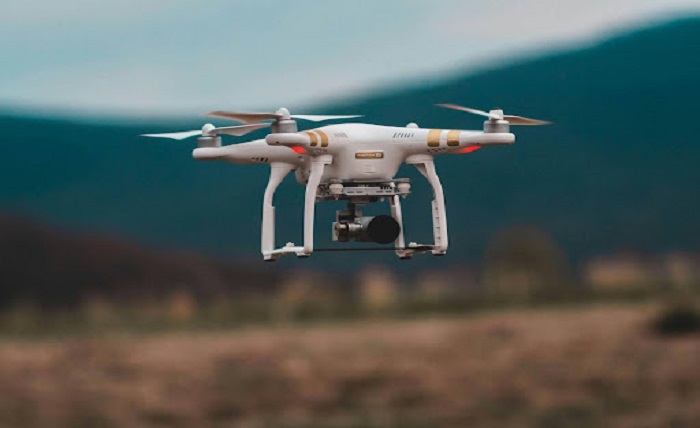
Indian agriculture is rapidly adopting technology through drone use. Once used mainly for photography or defense, drones now help farmers monitor crops, assess soil health, and apply fertilizers or pesticides with precision. This innovation is changing how farms operate in a nation where over half the population depends on agriculture.
Technological change is visible in every part of life, from agriculture to entertainment. For example, in games such as the red door roulette live casino game, real-time interaction and dynamic visuals show how technology enhances user experience.
Precision Spraying and Crop Monitoring
The most widespread use of drones in Indian agriculture is for spraying pesticides and fertilizers. Conventional spraying methods often result in uneven coverage, wasted chemicals, and higher costs. Drones eliminate much of that inefficiency by targeting only the areas that require treatment, ensuring consistent application rates and minimizing environmental impact.
Farmers across states like Haryana and Maharashtra have reduced the chemical use after switching to drone spraying. These savings directly affect profitability and sustainability, while reducing exposure to toxic substances among farmworkers. The aerial perspective allows operators to access areas that are difficult to reach manually, such as hilly terrains or flooded rice paddies.
Drones are also valuable for monitoring crop health throughout the growing season. Equipped with advanced cameras and sensors, they capture data that can be analyzed to identify stress factors such as nutrient deficiencies, disease, or water imbalance. Key advantages include:
- Early detection of crop diseases or pest infestations before they spread
- Accurate mapping of field variations to guide irrigation and fertilization
- Efficient resource allocation by targeting only affected zones.
This information helps farmers adjust irrigation schedules, nutrient distribution, and pest control strategies in real time, leading to healthier crops and higher yields.
Data Collection and Smart Farming
Drones are increasingly being integrated into India’s digital agriculture platforms that combine AI, GIS mapping, and IoT sensors. These tools collect precise data on crop performance, soil moisture, and topography. When analyzed, this data enables predictive modeling that supports better decision-making and risk management.
Agritech startups and cooperatives are using drone imagery to generate 3D field maps and NDVI (Normalized Difference Vegetation Index) reports. Such insights help determine which sections of a farm require attention and which are performing well. For large agricultural enterprises, this scalability is essential for managing thousands of hectares efficiently.
The benefits of drone-based data collection extend beyond single farms. Government initiatives such as the “Drone Didi Yojana” are training women entrepreneurs to operate agricultural drones, creating employment while promoting digital literacy in rural areas. Some of the core benefits include:
- Enhanced decision-making with data-backed insights into crop health
- Reduced operational costs due to targeted interventions
- Improved transparency for insurance claims and loan applications.
As drone data becomes more integrated with farm management software, it helps create long-term sustainability through better resource use and traceability.
Challenges and Emerging Opportunities
Despite the rapid adoption of drones, several challenges remain. High initial costs and limited access to trained pilots can restrict use among small-scale farmers. Regulatory requirements under India’s Drone Rules 2021 also demand proper registration and permission for certain operations. However, public-private partnerships and subsidies are gradually addressing these barriers.
In addition, technical literacy is crucial. Many farmers need guidance on interpreting aerial data or integrating drone reports into daily workflows. Training programs led by the Indian Council of Agricultural Research (ICAR) and state agricultural universities are making steady progress in this area.
At the same time, opportunities are expanding rapidly. As drone technology becomes more affordable and AI-powered analytics improve, its potential applications in agriculture are set to multiply. Key emerging trends include:
- Automated flight paths for fully autonomous crop surveillance
- Integration with weather models to anticipate rainfall and irrigation needs
- Expansion of service networks that rent drones to smallholder farmers.
These innovations promise to make agriculture more data-driven, resilient, and inclusive across India’s diverse farming regions.
A Future of Smarter Fields
From precision spraying to real-time field mapping, drone technology represents a major leap forward in efficiency and environmental responsibility. Drones are helping India’s farmers achieve higher precision, conserve water, and reduce dependence on chemical inputs.
As connectivity improves across rural areas, these devices are likely to become as common as tractors once were. With continued policy support and education, India’s agricultural sector can expect to see widespread transformation driven by innovation from above.