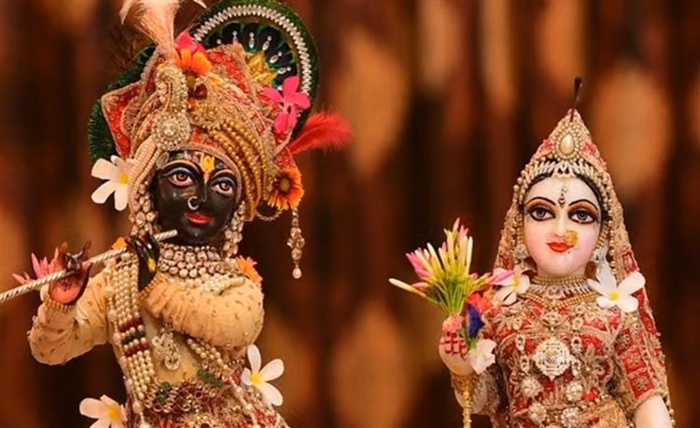
What Are Gyaras?
Gyaras is a term deeply rooted in cultural and spiritual traditions, often celebrated on the eleventh day after major events or religious festivals. Gyaras is significant because it symbolizes devotion, reflection, and community bonding. The word gyaras literally refers to the eleventh day, but its importance goes far beyond counting days. In many cultures, observing gyaras is a way to honor ancestors, perform rituals, or engage in fasting and prayers. People who participate in gyaras often find a sense of spiritual renewal and mental peace.
The Origin of Gyaras
The tradition of gyaras has a rich history dating back centuries. Gyaras was first observed in regions with strong spiritual practices, where the eleventh day of a lunar cycle was considered auspicious for prayers and rituals. Over time, gyaras evolved into a community celebration, where families gather, perform rituals, and prepare special offerings. Many religious texts also highlight the importance of gyaras, emphasizing the spiritual benefits of fasting, meditation, and acts of charity. Understanding the origin of gyaras helps us appreciate its continued relevance in modern society.
Rituals and Practices During Gyaras
Gyaras involves a set of rituals and practices that vary across regions but share common spiritual objectives. People observing gyaras often start the day with early morning prayers and light ceremonial lamps. Some practice fasting as part of gyaras, while others offer food, flowers, or other symbolic items to deities or ancestors. Chanting mantras or reading sacred texts is a common gyaras practice, bringing inner peace and focus. Additionally, gyaras may include community gatherings, cultural performances, and charitable acts, reinforcing the social aspect of this tradition. The rituals of gyaras are not just symbolic—they provide a sense of purpose and connection.
Significance of Gyaras in Spiritual Life
Gyaras holds profound spiritual significance for those who observe it. Celebrating gyaras is believed to purify the mind, body, and soul, fostering positive energy and inner balance. Many devotees see gyaras as an opportunity to reflect on personal growth, release negativity, and express gratitude. Gyaras is also a reminder of the impermanence of life and the importance of mindfulness. By following the spiritual practices associated with gyaras, individuals cultivate discipline, patience, and compassion. The significance of gyaras extends beyond ritual; it influences daily life and moral values.
Gyaras in Modern Times
While gyaras has ancient origins, it continues to hold relevance in modern times. In urban areas, gyaras is often observed through family gatherings, online prayers, and social media awareness. Modern gyaras celebrations may include digital rituals, virtual events, and community services. Despite changes in lifestyle, the essence of gyaras—devotion, reflection, and social bonding—remains intact. Young generations are increasingly participating in gyaras by learning traditional practices and incorporating them into contemporary life. The adaptability of gyaras shows how cultural traditions can coexist with modernity while retaining their spiritual core.
Foods and Offerings Associated with Gyaras
Food plays a central role in gyaras celebrations, symbolizing devotion and hospitality. During gyaras, families prepare special dishes, often vegetarian, to honor deities and share with neighbors. Typical offerings during gyaras may include sweets, fruits, and other ceremonial foods prepared with care. The act of preparing and distributing food during gyaras strengthens communal ties and reflects generosity. In some regions, specific dishes are uniquely associated with gyaras and are believed to bring blessings and good fortune. Observing gyaras with mindful preparation of foods and offerings enhances the spiritual experience of the day.
Community and Cultural Impact of Gyaras
Gyaras has a significant impact on community bonding and cultural preservation. By participating in gyaras, individuals connect with their heritage and promote cultural continuity. Festivals and communal rituals during gyaras provide opportunities for storytelling, traditional music, and dance, ensuring that cultural knowledge is passed down through generations. Gyaras also encourages social responsibility, as many participants engage in charitable activities during this time. The communal aspect of gyaras strengthens family and societal relationships, making it more than just a spiritual observance—it is a cultural celebration that enriches lives and fosters unity.
How to Observe Gyaras: A Step-by-Step Guide
Observing gyaras can be simple yet meaningful. Start by understanding the spiritual purpose of gyaras and selecting the appropriate day based on the lunar calendar. Begin with morning prayers or meditation to set a mindful tone for the day. Prepare offerings, either food, flowers, or symbolic items, and distribute them among family, friends, or the needy. Participate in fasting or mindful eating if it aligns with your tradition. Spend time in reflection, chant prayers, or read sacred texts. Finally, share experiences with your community to strengthen bonds. Following these steps ensures a fulfilling and authentic gyaras observance.
Conclusion
Gyaras is more than a day in the calendar—it is a celebration of spirituality, culture, and community. From its historical origins to modern adaptations, gyaras continues to inspire devotion, reflection, and unity. By understanding its rituals, significance, and impact, individuals can observe gyaras with deeper meaning and appreciation. Whether through fasting, prayers, food offerings, or community engagement, gyaras brings a sense of purpose and connectedness. Embracing gyaras allows people to honor tradition while nurturing personal growth, cultural awareness, and social harmony.
FAQs
Q1: What is the exact date of gyaras?
The date of gyaras varies according to the lunar calendar, typically observed on the eleventh day after major festivals or lunar phases.
Q2: Can gyaras be observed by anyone?
Yes, gyaras can be observed by anyone interested in spiritual practices, regardless of age or background, as it promotes mindfulness and devotion.
Q3: What are common rituals during gyaras?
Common rituals during gyaras include fasting, prayers, offerings of food and flowers, reading sacred texts, and engaging in community service.
Q4: Why is gyaras important in cultural traditions?
Gyaras preserves cultural heritage, strengthens community bonds, and teaches moral values while fostering spiritual growth.
Q5: Are there specific foods associated with gyaras?
Yes, foods like sweets, fruits, and vegetarian dishes are commonly prepared as offerings during gyaras, reflecting devotion and hospitality.