Introduction
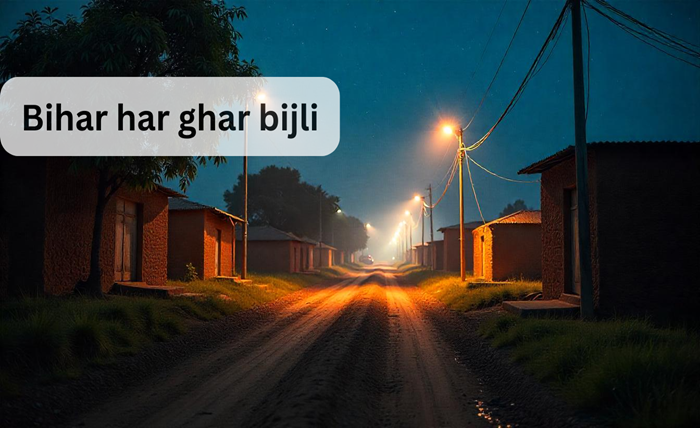
Har Ghar Bijli is a revolutionary initiative aimed at ensuring that every household in India has access to electricity. Electricity is not just a utility; it is the backbone of modern life, powering homes, schools, hospitals, and industries. The har ghar bijli program seeks to bridge the gap between urban and rural electrification, ensuring that no home is left in darkness. Over the past decade, India has made significant progress in extending electricity to remote areas, and har ghar bijli is now a symbol of inclusive growth and energy equity.
With har ghar bijli, families in previously unserved regions can now enjoy lighting, fans, and appliances that enhance their quality of life. This initiative also promotes economic development, as electricity enables businesses, agricultural equipment, and digital services to function efficiently. The program demonstrates the government’s commitment to energy accessibility, economic empowerment, and sustainable development across the country.
What is Har Ghar Bijli?
Har Ghar Bijli is an ambitious government program designed to ensure electricity reaches every household in India. The initiative focuses on connecting remote villages, small towns, and rural areas to the national grid, while also exploring renewable energy sources like solar power to reach off-grid locations.
Under har ghar bijli, households receive proper wiring, meters, and electricity connections, allowing residents to enjoy safe and uninterrupted power. The initiative not only brings light to homes but also supports essential services like health centers, schools, and small industries. By addressing energy inequality, har ghar bijli ensures that no citizen is left behind in India’s path toward modern infrastructure and economic growth.
The program emphasizes sustainable energy solutions, reducing dependence on kerosene lamps or diesel generators. With har ghar bijli, the government aims to improve living standards, promote energy efficiency, and reduce environmental pollution.
Objectives of Har Ghar Bijli
The primary objectives of har ghar bijli are centered on providing reliable, affordable, and sustainable electricity to every household. These objectives include:
-
Universal Electricity Access – Connecting all homes, including remote and underserved areas, under the har ghar bijli initiative.
-
Improving Quality of Life – Ensuring that families can enjoy basic electrical appliances for cooking, lighting, and communication.
-
Promoting Sustainable Energy – Using renewable energy sources such as solar and wind power to complement the national grid.
-
Economic Empowerment – Facilitating small businesses, local industries, and educational institutions through uninterrupted electricity.
-
Energy Equity – Reducing disparities between urban and rural areas by providing equal access to power for all citizens.
Through har ghar bijli, the government addresses social and economic challenges, ensuring that every household can thrive in a modern, electrified society.
Benefits of Har Ghar Bijli
The har ghar bijli program brings multiple benefits to households, communities, and the nation. Some key advantages include:
-
Enhanced Education – Students can study at night under proper lighting, improving literacy and learning outcomes.
-
Healthcare Support – Electricity enables health centers to operate refrigerators, diagnostic equipment, and emergency lighting.
-
Economic Growth – Local businesses and small industries benefit from reliable electricity under har ghar bijli.
-
Social Empowerment – Electrified homes allow families to use modern appliances, improving quality of life.
-
Environmental Protection – The program encourages the use of solar power and reduces reliance on kerosene, minimizing pollution.
By providing electricity to every home, har ghar bijli creates a ripple effect, supporting social welfare, economic development, and environmental sustainability.
How Har Ghar Bijli is Implemented
The implementation of har ghar bijli involves a combination of centralized planning, local execution, and technological innovation. The program relies on state and central government collaboration to identify unconnected households and provide electricity connections efficiently.
Key steps in har ghar bijli implementation include:
-
Survey and Identification – Mapping regions and households that lack electricity access.
-
Infrastructure Development – Installing power lines, transformers, meters, and safety equipment to support electricity distribution.
-
Renewable Energy Integration – Deploying solar panels, mini-grids, and hybrid solutions for off-grid homes.
-
Monitoring and Maintenance – Ensuring proper operation through regular inspections, repairs, and smart grid technology.
-
Community Engagement – Educating residents about energy usage, safety, and the benefits of har ghar bijli.
Through structured implementation, har ghar bijli ensures that electricity connections are reliable, sustainable, and inclusive.
Challenges Faced by Har Ghar Bijli
Despite its success, har ghar bijli faces certain challenges in achieving universal electrification. Common obstacles include:
-
Remote Location Difficulties – Reaching isolated villages in hilly or forested areas is complex and expensive.
-
Infrastructure Maintenance – Ensuring continuous power supply requires regular maintenance of transformers, lines, and meters.
-
Funding Constraints – Implementing har ghar bijli on a national scale demands substantial investment and efficient resource allocation.
-
Awareness and Adoption – Educating communities about electricity usage, safety, and billing can be challenging.
-
Renewable Energy Integration – While solar solutions are promising, ensuring efficiency and reliability requires technical expertise.
Addressing these challenges is crucial for har ghar bijli to achieve its vision of lighting every home in India.
Har Ghar Bijli and Renewable Energy
A major component of har ghar bijli is the integration of renewable energy sources. In areas where grid connections are difficult, solar, wind, and small hydropower solutions are deployed to ensure electricity access.
-
Solar Home Systems – Solar panels with battery storage provide electricity for lighting, fans, and small appliances in off-grid homes.
-
Mini-Grids – Localized grids powered by renewable energy ensure that entire villages can access electricity.
-
Hybrid Solutions – Combining grid electricity with solar or wind systems ensures reliability during outages.
By promoting renewable energy, har ghar bijli not only expands electricity access but also supports environmental sustainability, reduces carbon emissions, and lowers dependence on non-renewable fuels.
Future of Har Ghar Bijli
The future of har ghar bijli looks promising, with plans to achieve complete electrification, improve grid stability, and enhance energy efficiency. Upcoming initiatives include:
-
Smart Meters – Monitoring electricity consumption to reduce wastage and manage resources effectively.
-
Electric Vehicle Support – Providing charging infrastructure to encourage EV adoption in rural and urban areas.
-
Advanced Grid Technology – Implementing smart grids to detect faults, manage loads, and integrate renewable sources.
-
Energy Literacy Programs – Educating citizens about energy conservation, safety, and renewable solutions.
With these advancements, har ghar bijli aims to ensure that every Indian household enjoys uninterrupted, sustainable, and affordable electricity.
Conclusion
Har Ghar Bijli represents a major step toward inclusive growth and sustainable development in India. By providing electricity to every home, the initiative improves living standards, supports education and healthcare, promotes economic development, and reduces environmental impact. While challenges remain, the government’s continuous efforts in infrastructure, renewable energy integration, and community engagement are ensuring the vision of har ghar bijli becomes a reality.
As India progresses toward universal electrification, har ghar bijli stands as a shining example of how energy access can transform lives, empower communities, and drive the nation toward prosperity. Every home illuminated under this initiative is a testament to the power of electricity in fostering equality, development, and a brighter future.
FAQs
Q1: What is the main goal of Har Ghar Bijli?
The main goal of har ghar bijli is to provide electricity to every household in India, including remote and rural areas.
Q2: How does Har Ghar Bijli help rural communities?
It provides access to lighting, appliances, education, and healthcare facilities, improving the quality of life in rural areas.
Q3: Does Har Ghar Bijli use renewable energy?
Yes, the program integrates solar, wind, and mini-grid solutions to reach off-grid and remote households.
Q4: Is Har Ghar Bijli free for households?
While connection costs may vary, the initiative aims to make electricity affordable and accessible to all citizens.
Q5: What are the challenges faced by Har Ghar Bijli?
Challenges include remote area accessibility, infrastructure maintenance, funding constraints, and educating communities on electricity usage.